Buying a winter home somewhere warm
Last checked
A second home somewhere warm sounds simple. Then the rules arrive. The tax office treats it differently from your main home. A second state may want your income tax. Your health plan may not travel. And there’s a storm season you’ve never lived through. None of it is hard to check, but all of it is easy to miss.
Which home is your main home?
This one question drives most of the others, and you can only have one answer.
Take Florida, the classic case. Its homestead exemption, which lowers the taxable value and caps how fast it can rise, applies only to your permanent residence. You must live there as of January 1 and apply by March 1. The state constitution allows one homestead per person or family. A winter home that isn’t your permanent residence pays tax without that exemption, under a looser cap.
These rules may change soon. Florida votes on Amendment 3 on November 3, 2026. It would raise the homestead exemption and lower the yearly cap for homes that aren’t a homestead. It would also make anyone who becomes a Florida resident in 2027 or later wait four years for the larger exemption. If you’re deciding when to make the move, that date matters.
Check the county property appraiser’s site for the rules in force when you buy. Our guide to why property tax estimates disagree explains why the listing’s tax figure probably won’t be yours.
Where do you pay income tax?
States decide residency in their own ways. In Florida you can file a sworn declaration of domicile with the county clerk, saying that Florida is your permanent home. Your old state may still count you as a resident, though. In New York, that happens if you keep a home there for most of the year and spend 184 days or more in the state. Talk to a tax professional before you assume you’ve moved for tax purposes.
Will your health coverage follow you?
Original Medicare works with any doctor or hospital that takes it, anywhere in the country. Medicare Advantage is different. You have to live in the plan’s service area. Stay away more than six months in a row and the plan must drop you, unless it offers a visitor or traveler benefit. Ask your plan what happens during a winter away.
Check the hospital near the second home too. The hospital layer shows everywhere within a chosen distance of a well-rated hospital.
Storms, and the house while you’re gone
The Atlantic hurricane season runs from June 1 to November 30, peaking in September. Many winter homes sit empty for exactly those months. The hurricane layer leaves out the coastal areas most exposed to hurricanes. Inland doesn’t mean dry, though.
Check the flood layer as well. Standard homeowners policies don’t cover flood damage, and a new flood policy usually takes 30 days to start. You can’t buy it when a storm is already on the way.
Plan for the empty months. Someone should be able to check the house after a storm, and you’ll want to know who that is before the season starts.
Before you buy
- Decide which home is your primary one, and check what that means for property and income tax.
- Ask the county property appraiser which exemptions the house would get under you.
- Check your health plan’s rules for time away.
- Get homeowners and flood insurance quotes before you make an offer.
- Line up someone local to look after the house in storm season.
This is general information, not tax, legal or insurance advice. The rules differ by state and change often, so check them with a professional before you rely on them.
Your starting map
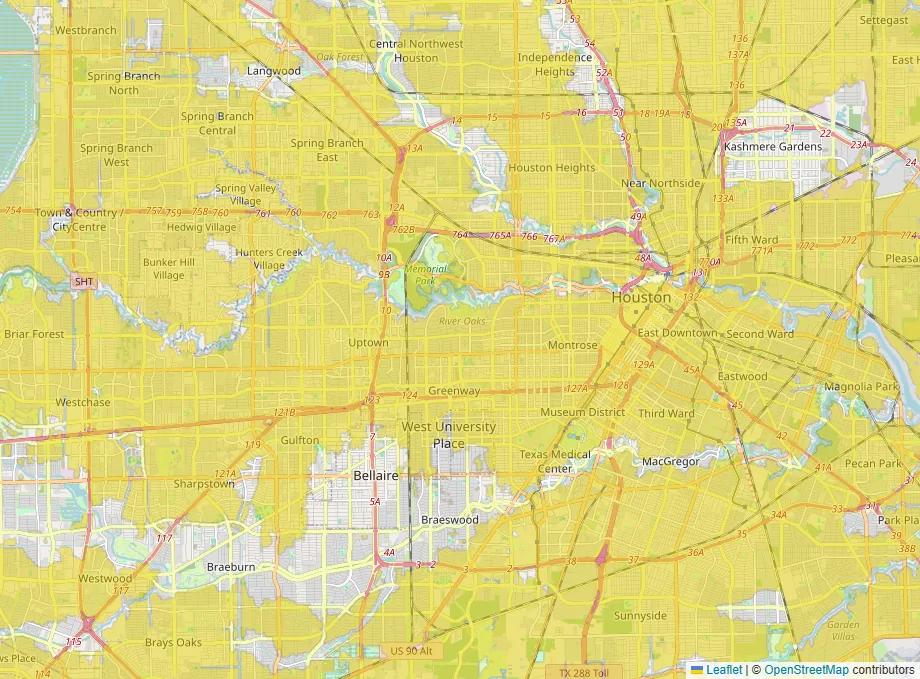
This map starts you with lower hurricane and flood risk and a well-rated hospital within reach.