Finding a home you can still insure
Last checked
A home you can’t insure is a home you can’t get a mortgage on. That used to be a rare problem. Now insurers are dropping homes in the riskiest areas in large numbers. California’s insurer of last resort has more than doubled in four years. Here is how to check, in the order you’ll need the answers.
While you search: know where insurers are pulling back
The federal Treasury studied 246 million homeowners policies from 2018 to 2022. Homes in the riskiest fifth of ZIP codes paid 82% more for insurance than the lowest-risk fifth. They were also dropped by their insurer about 80% more often. A 2026 study by state insurance regulators found insurer-initiated non-renewals roughly doubled or tripled from 2018 to 2024, depending on the region.
When private insurers leave, owners land in a state plan. California’s FAIR Plan held about 698,000 policies in September 2026, up 157% in four years. Florida’s Citizens has gone the other way, from about 1.4 million policies in 2023 to about 255,000 by September 2026. A state plan often covers less than a standard policy.
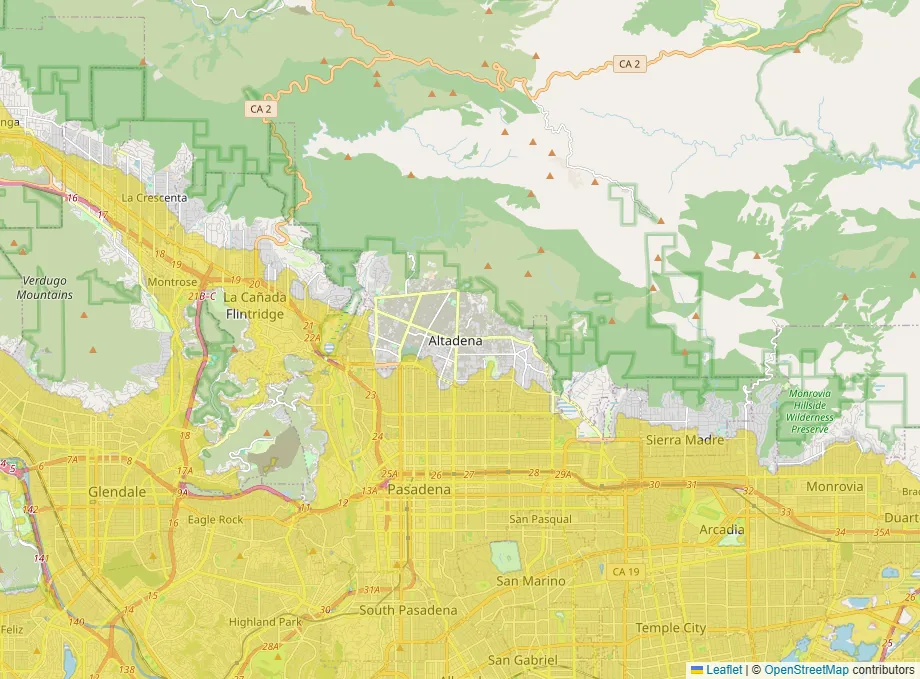
The map can screen out the biggest risks first. The wildfire layer, flood layer and hurricane layer each leave out the areas most exposed.
Before you make an offer: get a quote
Ask an agent or two for a quote on the specific address. Many insurers now price wildfire risk house by house. In California, an insurer that uses a wildfire model must tell you the home’s score and let you appeal it.
Ask the seller for the home’s CLUE report too. It lists insurance claims on the property over the past seven years. Only the owner or an insurer can order it, so the request has to go through the seller.
Before you close: flood insurance, even outside the zone
Standard policies don’t cover floods. From 2014 to 2024, almost a third of federal flood insurance claims came from outside FEMA’s high-risk zones. Since 2022, federal flood premiums are based on each home’s own risk, with most yearly increases capped at 18%. Get the quote before you close, since a new policy usually takes 30 days to start.
On the coast, look ahead too. NOAA expects 10 to 12 inches of sea level rise along U.S. coasts by 2050, with moderate flooding more than ten times as common as today. The sea level rise layer leaves out areas projected to be affected within a chosen number of years.
Your starting map
Begin with flood, wildfire and hurricane risk applied together, then get quotes on the homes that are left.