Moving to the country: what to check first
Last checked
Moving to the country trades convenience for space and quiet. Most people expect that. What surprises them is how much a city handled quietly. How far is the hospital? Is the internet any good? Where does the water come from, and where does it go? Here are the questions to answer before you buy.
How far is the nearest hospital?
Farther than you’re used to. In a 2018 Pew study, rural Americans lived an average of 10.5 miles and 17 minutes from the nearest hospital, against 10 minutes in cities. And rural hospitals have been closing: the University of North Carolina counted 197 closures or conversions since 2005, as of October 2026. Another 56 have become Rural Emergency Hospitals, which keep an emergency room but no beds for an overnight stay.
The hospital layer shows everywhere within a chosen distance of a well-rated hospital, 15 miles to start. It also weighs drive time.
Can you get decent internet?
Check before you fall for the view. The FCC counts 100 megabits down and 20 up as basic broadband. As of mid-2025, that reached 99.5% of people in cities but 86.7% of rural residents, leaving more than 9 million without it. The FCC’s National Broadband Map lets you look up the providers at a specific address. Call them to confirm.
Where does the water come from, and where does it go?
Often a private well and a septic tank. More than one in five U.S. homes uses septic. The EPA suggests pumping the tank every three to five years and having the system inspected at least every three. The seller should have the pumping records.
A well is your responsibility to test. The EPA recommends testing every year for bacteria and nitrates, among other things. Our guide to checking a home for environmental hazards covers wells and other tests.
How will you heat the house?
Many country homes are not on a gas line. In the last federal survey, from 2020, about 4% of U.S. homes heated mainly with propane and another 4% with heating oil, and both are delivered by truck. Ask what the last winter’s fuel bills were, and who delivers.
Where will you shop?
The USDA treats a rural home within 10 miles of a supermarket as having reasonable access. The grocery access layer uses that standard, with the USDA’s 2019 data. For stocking up, the warehouse club layer shows everywhere within 10 miles of a Costco, Sam’s Club or BJ’s.
What else catches people out?
- Private or gravel roads, and who plows them in winter.
- Longer response times for fire and ambulance service, and what that does to insurance.
- Cell coverage at the house itself, not just in town.
- Zoning and neighboring land: what can be built next door.
Your starting map
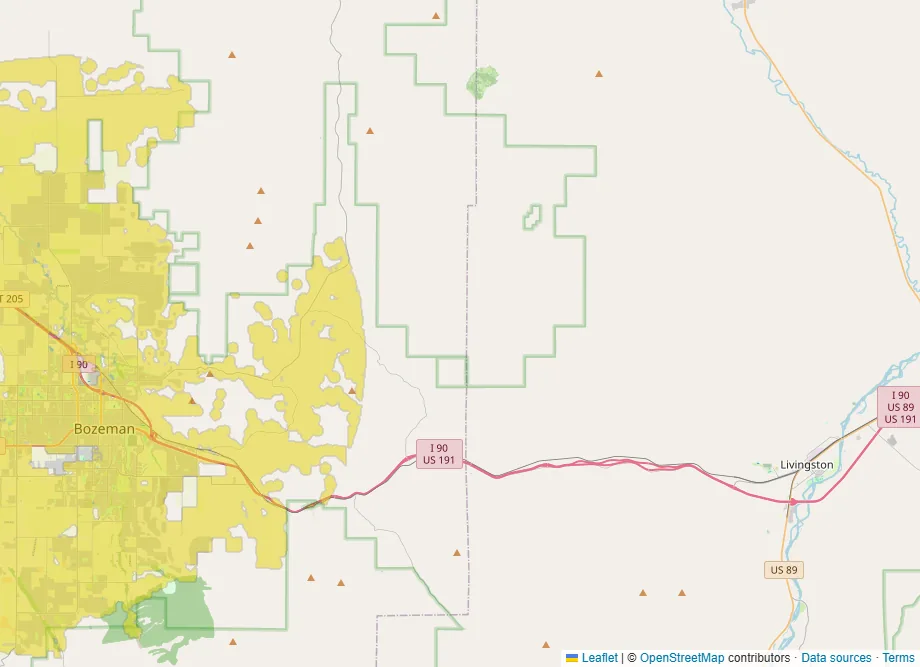
This map opens with hospital access, grocery access and warehouse clubs switched on.